

The past four years on The Prowler have meant more to me than I can fully put into words. It has been where I made friends, chased stories, and learned to work under pressure. Most importantly, in the newsroom, I found a place that stayed constant when everything else in high school kept changing.
I have always been a loud person. Talking has never been the problem, but finding my voice was a whole different story.
When I first joined journalism, I thought being talkative would be enough. I thought if I just had enough energy, enough confidence, and enough to say, the words would come easily. I quickly learned that was not true. My first stories needed more than just enthusiasm, and my first interviews taught me that asking questions is only part of the job.
Journalism asked more of me than that. It asked me to slow down, pay attention to details, and stay present in the moment rather than rushing ahead to the next question.
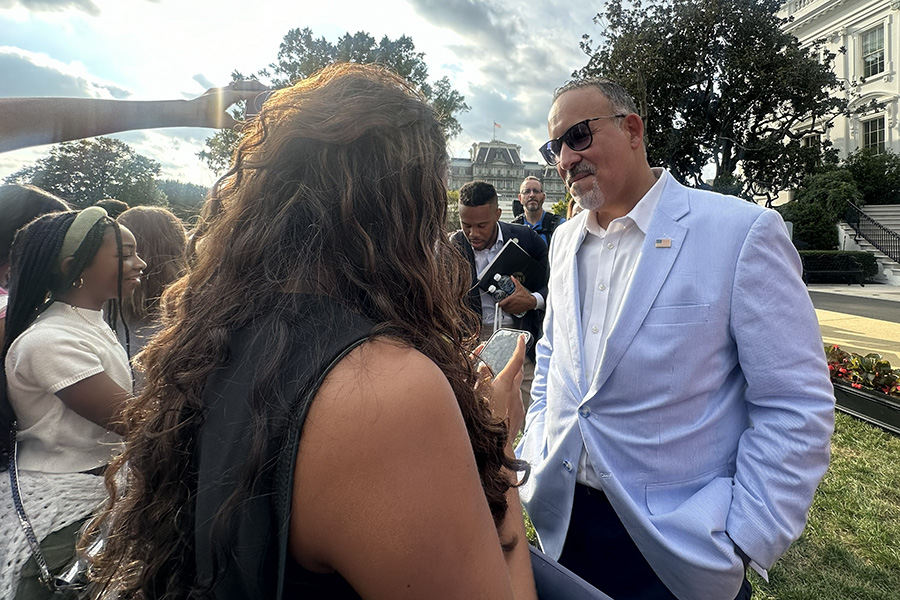
That was not always easy, but it changed me. I have always been someone who moves fast, thinks fast, and talks fast, but The Prowler taught me that some of the most important things are easy to miss when you are always in a hurry. It taught me that a good interview does not come from forcing a conversation, but from being patient enough to let it unfold. It taught me that a meaningful story is not always found in the loudest moment, but in the things people say when they finally feel comfortable enough to be honest.
Over time, The Prowler became more than a class. It became a space where I could figure out who I was, not just as a writer, but as a person. Deadlines, edits, and late night writing became part of the routine, but so did laughter, teamwork, and the kind of friendships that only come from building something together. The program made me stronger, more sure of my place in the world, and more grounded than I was when I started.
Some of my favorite moments came from the moments that never made it into a story exactly as I expected. The awkward interviews, the long conversations, the times I had to work harder to get someone to open up all reminded me journalism is not about controlling every moment, It is about being present enough to notice when a real moment is happening and humble enough to let it lead you somewhere better.
One of the biggest lessons I learned here is that good journalism is not just about telling stories. Good journalism is noticing the people and moments that might otherwise get overlooked. As I grew as a journalist, I was also learning to make space for other people’s voices. As I climbed, I was learning how to lift others, too.
That is what I will carry with me from The Prowler.
Not just the stories I wrote, but the people who helped shape them. Not just the skills I learned, but the confidence I built. Not just the work, but the community behind it. Not just the fast pace and the pressure, but the lesson that some of the best things happen when you slow down enough to really see them.
I came to The Prowler with a lot to say, and I am leaving with something better–a voice that knows how to listen, a mind that knows how to stay present, and a heart that understands the value of lifting others as I move forward.