

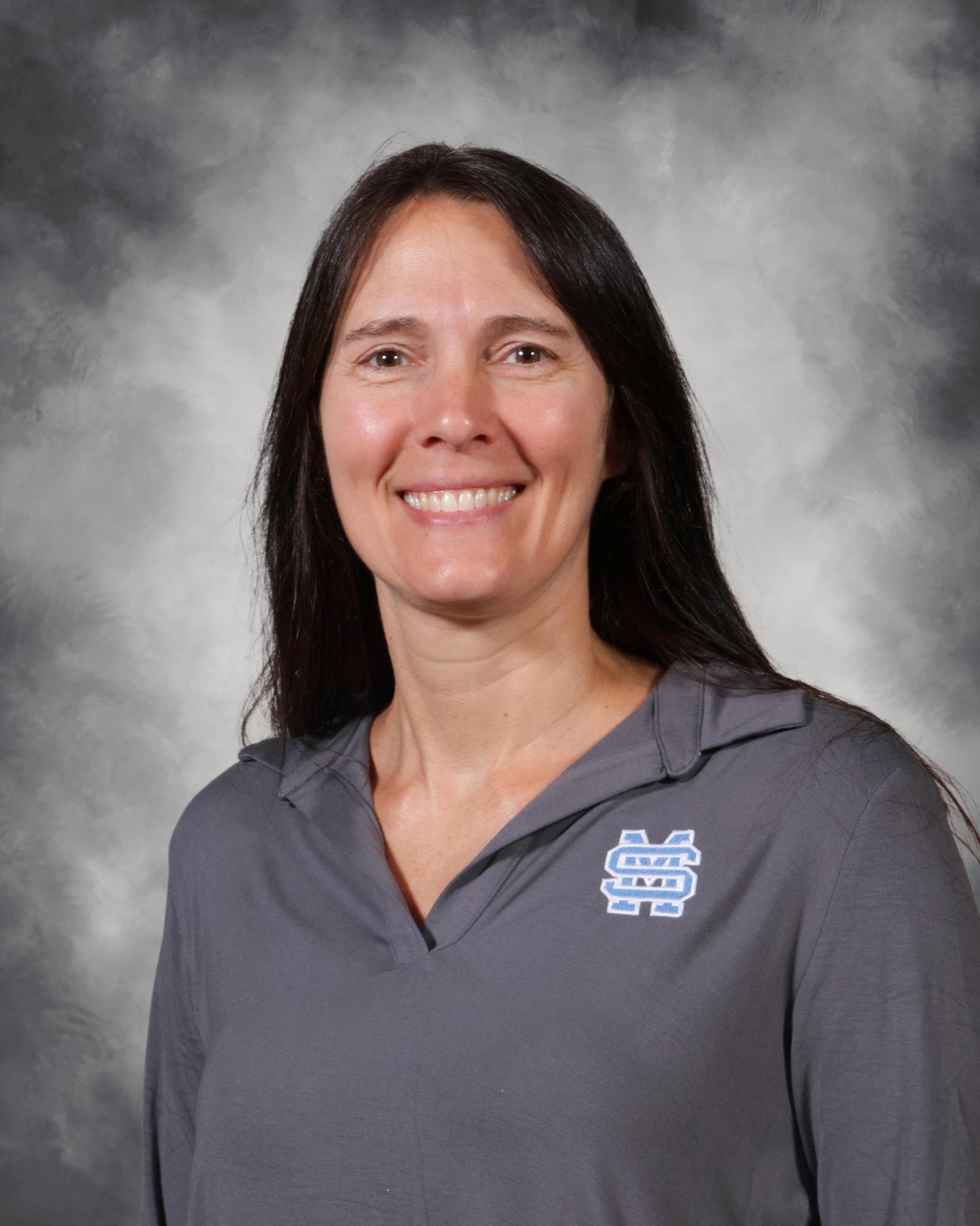
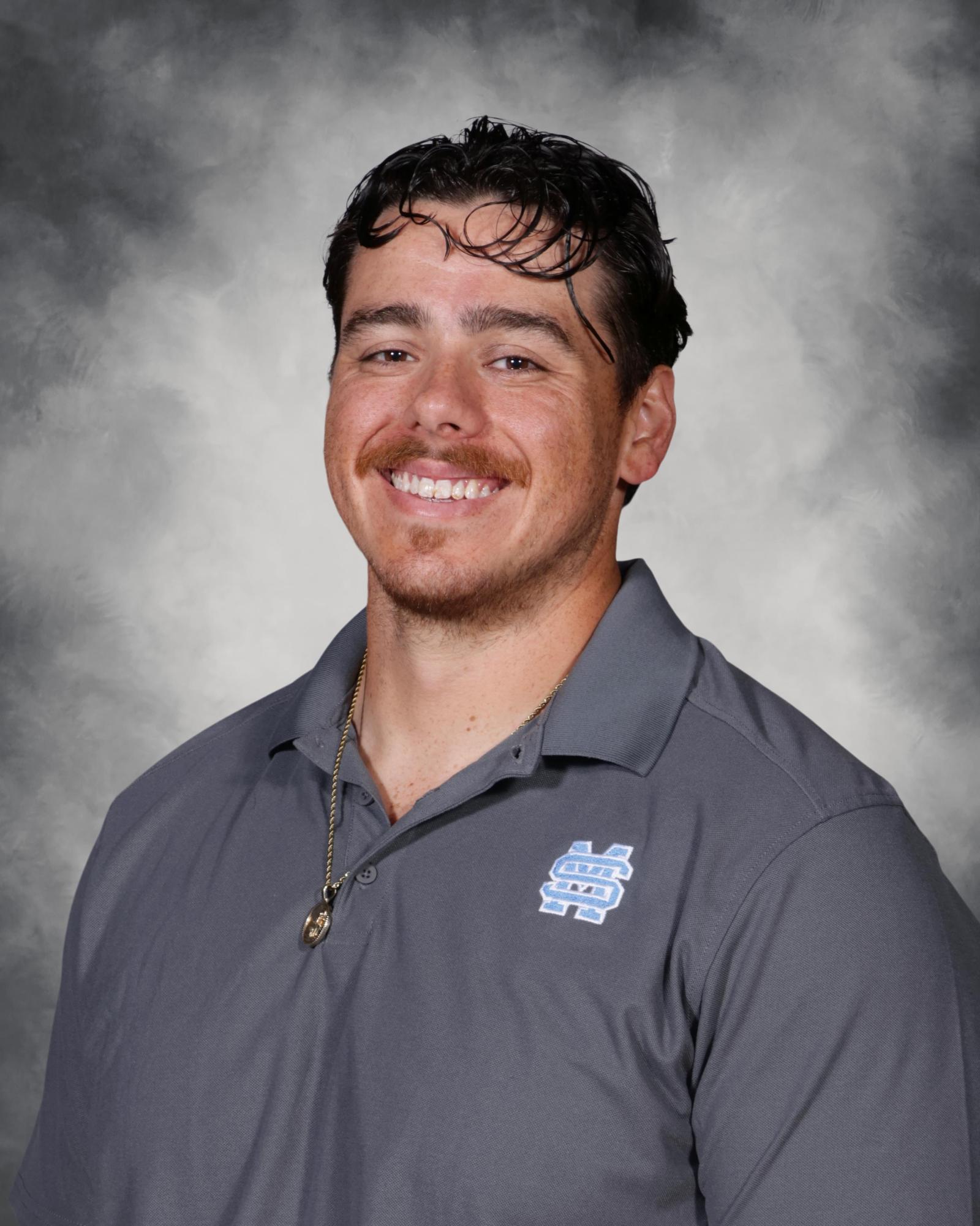
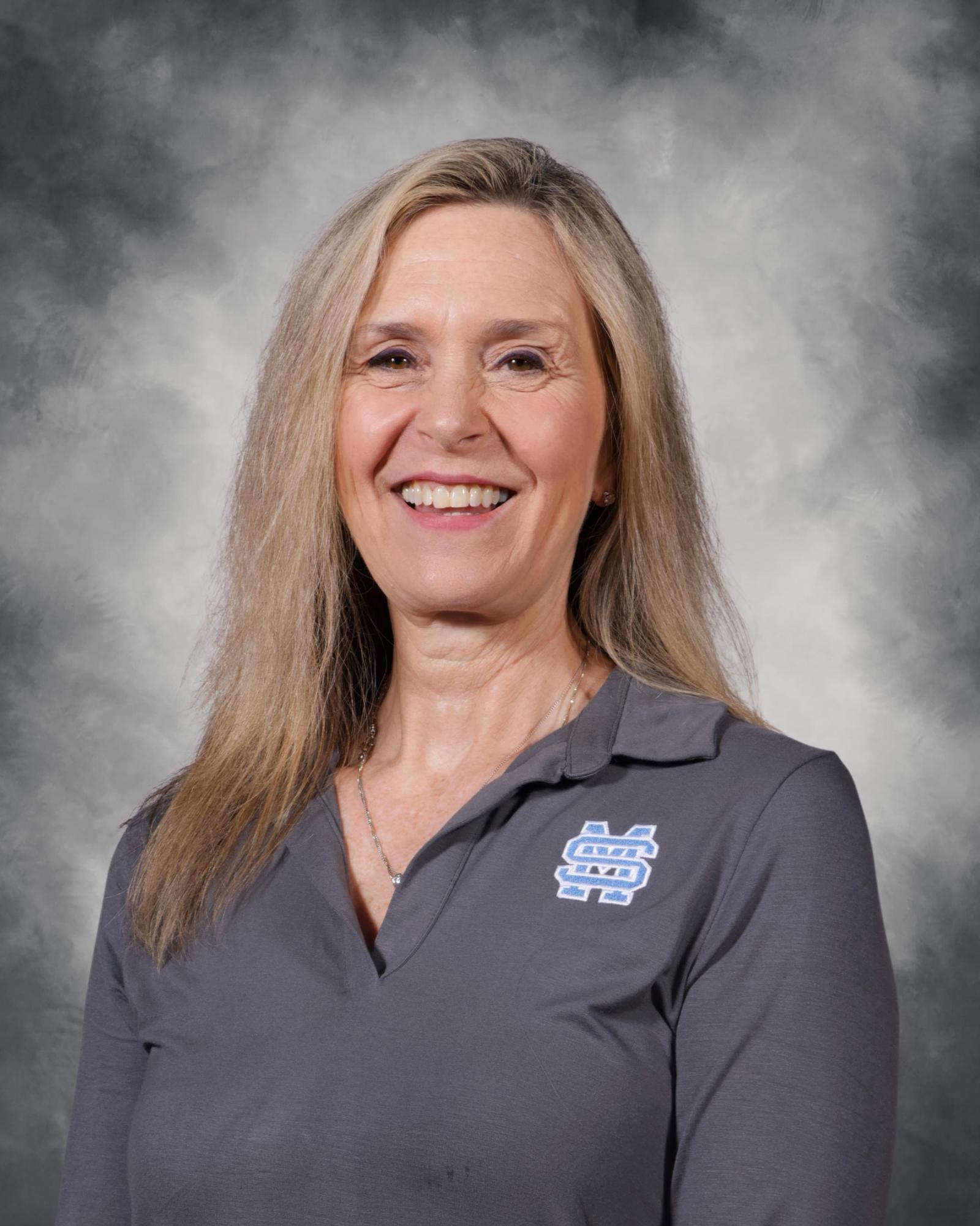
Veterans day is a day to recognize the service of the people who dedicate their lives to our country. At Starr’s Mill, we have three of them — history teacher Diane Ruane, Spanish teacher Shayne Thompson, and special education teacher Sirrell Young. All three served in the Army prior to entering education.
“I went to Goodfellow Airforce Base where they trained me in how to do my job, which was voice intercept,” Thompson said. “I was responsible for spying and listening, and then I would translate and say, ‘Hey, the bad guys were over there selling those drugs. Go get them.”
While it may seem like the skills they learned do not transfer over to the classroom, they have all learned lessons that transfer into their teaching style and everyday life.
“The biggest [lesson I take into teaching from serving] is being able to remain calm in the chaos of it,” Young said. “There’s not a single two days that are the same, especially in the triad program, so being able to think about everything in a calm manner has helped me tremendously.”
Ruane served for eight years, four in active duty and four on reserve, as a logistics officer where she compiled and analyzed research. She now teaches US History, government, and AP US government and AP comparative government.
Thompson served as a Specialist for two-and-a-half years where she intercepted and translated transmissions from Spanish speaking countries in order to support military operations. She is now a Spanish 1 and 2 teacher as well as the head coach of the girls volleyball team.
Young served in active duty as an airborne mortarman for four years where he shot high-arcing rounds from indirect-fire weapons. He often had to parachute in by jumping out of planes and helicopters. He is now a special education teacher in the TRIAD program and an assistant football coach.
“Everybody thinks about diversity, right? And a lot of times we have certain ideas in our head, but I walked into many, many rooms as the subject matter expert. I was the only woman in the room,” Ruane said. “So those are lessons that I learned, and I think that those are also things that help you understand different perspectives.”
These teachers’ services expand beyond the armed forces all the way into classrooms whether that be by teaching a language, the history of this country, or educating students with special needs. That in itself is its own form of service that we need to recognize everyday.
“I think a lot of [what I learned] comes down to remembering that it’s more about putting others first. Just remembering that you’re secondary, and you don’t have to be out front to still make an impact,” Thompson said. “A lot of times, it’s the behind the scenes that really makes the impact, and that’s what allows you to help people.”